


Neapolitan Suit: The Benchmark Of Effortless Elegance
A Neapolitan suit is more than a garment. It is the expression of sprezzatura, that distinctly Italian idea that true elegance should appear effortless, never forced.
Born in Naples, this style reshaped classic menswear by replacing rigid structure with movement, comfort, and a quiet confidence. For gentlemen living in or traveling through Vietnam, the Neapolitan cut offers something rare: timeless European sophistication adapted beautifully to a tropical climate.
When crafted by a skilled bespoke suit house such as Carlo Pham, the result is a suit that carries the soul of southern Italy while meeting the expectations of modern international tailoring.
What is a Neapolitan suit?
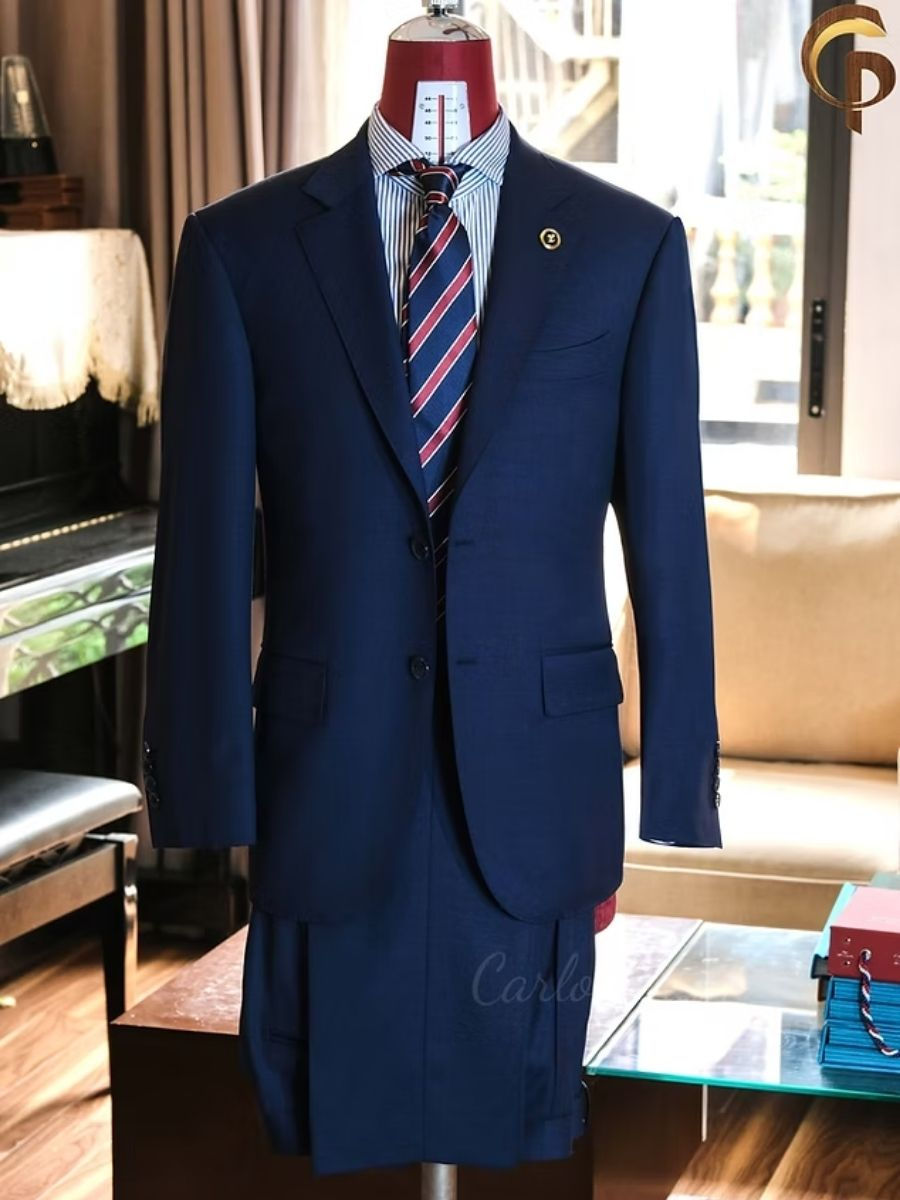
The Neapolitan suit is a piece of local craft from Napoli that reads like a promise: ease, movement, and understated elegance for the modern man. At heart it is a lightly structured blazer defined by the soft, shirt-like spalla camicia and an unstructured shoulder that lets the jacket sit naturally without armor-like padding.
Gentlemen and sartorialists will recognize the shorter proportions and the breathing room created by high armholes and a lightly built or floating canvas, all of which produce the flattering Neapolitan silhouette prized by connoisseurs.

Construction choices are visible: a gentle 3-roll-2 construction gives the lapel its quiet roll, while hand-rolled edges and subtle pick stitching signal human finishing.
Pocket treatments from relaxed pignata pockets and patch styles to the refined barchetta pocket declare intent, whether the jacket will live in day-to-day rotation or be saved for evenings. Fit is about motion rather than molding. A shorter jacket length with natural waist suppression complements tapered trousers and invites confident movement.
For enthusiasts, the Neapolitan suit is not just a style; it’s a local tradition translated into modern wardrobes. If you prize comfort married to craft, choosing a genuine Neapolitan jacket will reward you with a garment that ages gracefully and feels, quite simply, like it was made for you.
History and origins of Neapolitan tailoring
The story of traditional Neapolitan tailoring begins in Napoli’s small sartoria, where climate, commerce, and local taste shaped a distinct approach for the modern man.
From the 19th century, tailors in Naples adapted 19th-century Italian tailoring to warmer streets and an active life, such as lighter canvas choices, high armholes, and the relaxed, unstructured shoulder, answering practical needs and becoming aesthetic hallmarks.
Gentlemen and sartorialists will recognize the early rise of the spalla camicia, a shirt-like shoulder that reads as ease rather than artifice, and the visible signs of handwork, such as hand-rolled edges and picot stitching.

Workshops in Napoli refined fitting rituals and passed techniques from master to apprentice within family-run Neapolitan sartoria Napoli houses, producing the Naples bespoke heritage prized by connoisseurs. Details like the barchetta pocket and pragmatic piñata pockets reflect a culture that values both function and flair.
Over time, the Neapolitan style, shorter jackets with natural waist suppression, and mobility-first construction matured into a recognizable language worldwide.
Key design characteristics
A Neapolitan suit announces itself in small, decisive details: the soft, shirt-like spalla camicia and the unstructured shoulder that allow the jacket to sit with effortless ease on the modern man. You’ll find a light canvas or floating canvas shaping a baste chest and high armholes so movement is natural rather than constrained.
The front commonly uses a 3-roll-2 construction, producing a narrow lapel roll framed by hand-rolled edges and discreet pic-stitching, signs that sartorialists and connoisseurs look for. Sleeves often show a slightly ruched finish from careful sleeve pitch, while pocket choices, practical pignata pockets, casual patch pockets, or a refined barchetta pocket, declare intent between daywear and formality.

Proportions favor a shorter jacket length with subtle natural waist suppression to pair cleanly with tapered trousers; the overall effect is a silhouette that flatters motion and posture.
For gentlemen and enthusiasts seeking authentic Neapolitan craft, these characteristics are the quick test, such as if the shoulder breathes, the lapel rolls softly, and the handwork is visible, you’re not only wearing more than a jacket but also wearing a tradition.
Fabrics and seasonal choices
Choosing cloth for a Neapolitan suit is a local, practical art, it determines how the jacket performs for the modern man.
For warm months, reach for tropical wool or linen blends for summer or a wool-linen blend: breathable suiting fabrics that let the spalla camicia and unstructured shoulder sit light while high armholes preserve movement.
Silk-linen mixes offer elegant drape but accept more creasing; enthusiasts treat those marks as part of the jacket’s character.

In cooler seasons, favor flannel for winter or denser worsteds and Super 100s/120s that give body to the canvas and support a refined 3-roll-2 construction. Midweight tropicals and hopsack weaves work year-round and travel well, pairing nicely with casual pinata pockets or a refined barchetta pocket depending on formality.
When you choose cloth, consider where you live and how you move: lighter weaves with floating canvases suit daily wear in warmer cities; heavier canvases suit more structured environments.
Connoisseurs and sartorialists should balance Supernumerary numbers with weave and finish rather than chasing a single label. Care matters too, such as rotating seasonally, steaming gently to preserve hand-rolled edges, and consulting professional tailors for repairs so your suit ages with dignity.
Styling tips & occasions
Traditional neapolitan style is about marrying local craft with practical grace for the modern man and suiting any freedom of movement.
For a smart casual Neapolitan look, pair the jacket with well-cut chinos, a lightweight knit, and loafers—let the spalla camicia and unstructured shoulder read relaxed while pignata pockets or patch pockets keep the tone informal.
In the office, choose a finer worsted with a clean 3-roll-2 construction, narrow lapel roll, and oxfords; connoisseurs will favor subtle hand-rolled edges and a restrained barchetta pocket for polished restraint.

For weddings or formal evenings, dark super cloths and minimal pocketing deliver dignity without stiffness. Keep high armholes and the right canvas so the silhouette remains mobile.
When you travel, opt for tropical wool or midweight blends that resist crushing; pack in a garment bag and steam on arrival rather than heavy pressing to preserve lapel roll and shoulder shape.
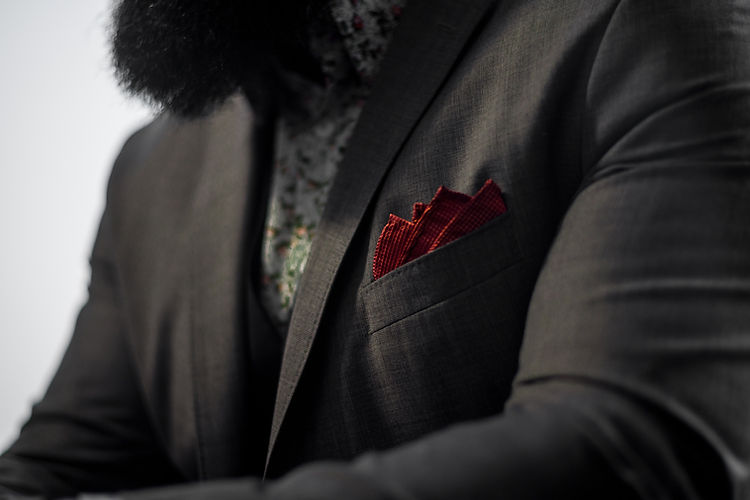
Shoes and accessories should speak quietly: quality leather, a modest pocket square, and trousers tapered to match the shorter jacket length. Gentlemen and sartorialists and enthusiasts alike should avoid over-structuring or oversized proportions, like the Neapolitan language, which is subtle, and when you get it right, it announces confidence without shouting.
Caring for your Neapolitan suit
Caring for a Neapolitan suit is a small, disciplined ritual that repays you in longevity and presence, gentlemen, sartorialists, connoisseurs, and enthusiasts alike.
After each wear, brush and ventilate the jacket to lift dust and release moisture. This preserves the canvas and protects hand-rolled edges.
Use a broad wooden hanger to support the spalla camicia and avoid crushing the shoulder construction, and store garments in breathable bags and practice seasonal rotation so no single jacket bears all the wear.
Learn when to steam vs press, like steaming refreshes shape and safeguards the three-roll-two construction, while careful pressing (with a cloth) is for precise creases only.
Treat stains conservatively with gentle spot-cleaning tips. With structural issues, consult professional tailors for repairs such as re‑canvassing, sleeve resets, and lining work to extend service far longer than frequent dry-cleaning.
When you travel, favor tropical wool or midweight blends, pack in a garment bag and steam on arrival to restore lapel roll and shoulder line. Above all, avoid overwashing; overzealous cleaning strips natural oils and weakens canvases. Tend to your suit patiently, and it will age with grace, becoming part of your everyday armor and a quiet marker of refined taste.
Investing in a Neapolitan suit is buying into a living tradition that rewards patience, taste, and care—for you gentlemen, sartorialists, connoisseurs, and enthusiasts, it is a statement of intent as much as a garment.
What you purchase is not merely cloth but thoughtful canvas work, the ease of a spalla camicia and unstructured shoulder, the freedom of high armholes, and the bespoke details such as hand-rolled edges, discreet barchetta pocket placement, practical pignata pockets, and a measured 3-roll-2 construction that matures with use.
When chosen with purpose and maintained with respect, a well-made Neapolitan jacket returns value in comfort, fit, longevity, and quiet distinction; it becomes part of your wardrobe’s architecture, an investment that serves the modern man across seasons and occasions.



The The View Sara Haines Knicks Track Jacket delivers a casual sports-inspired look that feels approachable and practical. It seems like a great choice for anyone who enjoys clothing that offers comfort while maintaining a polished and put-together appearance.